Running Your Own RPC Endpoint vs Using a Provider: Costs, Limits and Reliability
Every blockchain app talks to the chain through an RPC endpoint. When a hosted provider is enough, when your own node makes sense, and how to stay up when either one fails.
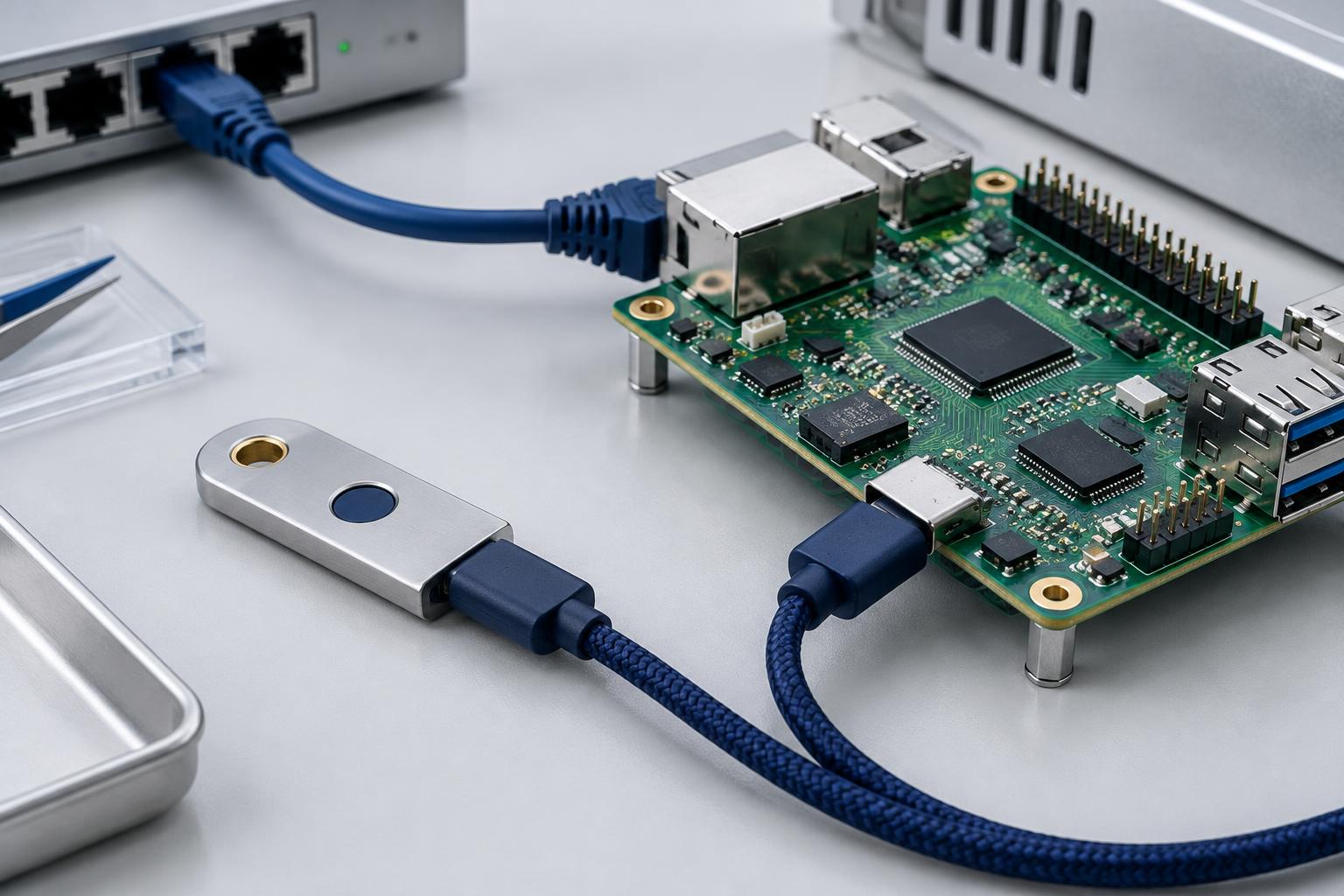
Every wallet balance, transaction submission and event query in a blockchain app goes through an RPC endpoint. When that endpoint is slow, rate-limited or down, your app is too. Choosing how you get RPC access is an infrastructure decision, not a configuration detail.
The options
| Option | Cost | Control | Effort | |---|---|---|---| | Free public endpoints | Free | None | None — but unreliable for production | | Hosted provider | Monthly, usage-based | Limited | Low | | Your own node | Hardware or cloud cost | Full | Significant | | Hybrid | Both | High | Moderate |
Public endpoints are fine for development. They are rate-limited, shared with everyone, and offer no guarantees. Never ship a production app that depends on one.
When a hosted provider is enough
For most applications, a hosted provider is the right call. You get high availability, archive data, trace APIs and indexing extras without operating anything. Watch for:
- Rate limits and compute units. Providers price methods differently; log-heavy queries can cost far more than simple calls.
- Method support. Trace and debug methods are often paid add-ons.
- Data retention. Some plans limit how far back log queries can reach.
When your own node makes sense
- You make very high volumes of calls and provider costs exceed hardware costs
- You need trace or debug data at scale
- You need predictable latency in a specific region
- You do not want a third party seeing your query patterns
Running a node means storage that grows continuously, client upgrades before network upgrades, monitoring of sync status and peer count, and being on call when it falls behind. A full node on a major network needs fast NVMe storage and plenty of it; an archive node needs much more.
Build for failure either way
Whatever you choose, assume the endpoint will fail sometimes.
const transport = fallback([
  http(PRIMARY_RPC, { timeout: 4_000 }),
  http(SECONDARY_RPC, { timeout: 6_000 }),
], { rank: true });
Use at least two independent providers, or your own node plus one provider. Many client libraries support automatic fallback and ranking by latency.
Check that the node is honest and current
An endpoint can respond quickly while being several blocks behind. Monitor block height against a second source and alert if the gap grows. Stale data shows users wrong balances and leads to rejected transactions.
Reduce the number of calls
- Batch multiple reads into one request where supported
- Multicall contracts combine many contract reads into one call
- Cache data that changes slowly, like token metadata
- Use websocket subscriptions for new blocks instead of polling every second
- Use an indexer for historical queries rather than scanning logs across millions of blocks
Most apps that "need" their own node actually need fewer, smarter calls.
Protect your keys
Provider API keys embedded in front-end code will be copied and used by others. Restrict keys by allowed domain where possible, or route browser traffic through your own backend proxy with rate limits.
For most teams: start with two hosted providers and a fallback setup, measure call volume and cost, and only run your own node when the numbers or requirements clearly justify it.
Paj Digital Labs
The engineering journal of Paj Digital Solutions — hosting, server infrastructure and web engineering, written by the people who run the servers.
Related reading
Solana Transaction Operations: Blockhash Expiry, Commitments and Retries
A timed-out submission may still have landed. Track signatures, validity windows and commitment levels before rebuilding a transaction and risking a duplicate business action.
Blockchain Dependency Incidents: Circuit Breakers for RPC and Indexer Failures
A stale indexer and an unavailable RPC need different responses. Monitor data freshness, stop unsafe writes and preserve transaction tracking when chain infrastructure degrades.
ERC-4337 Account Abstraction: Bundlers, Paymasters and the Product Boundary
Smart accounts can improve recovery and transaction UX, but their dependencies need explicit limits. Understand user operations, sponsorship and deployed versions before treating gasless as free.