Wallet Security for Teams: Multisigs, Hardware Keys and Operational Discipline
When a business holds crypto, a single seed phrase on someone's laptop is a disaster waiting to happen. A practical setup for multisig wallets, signer hygiene and the processes that stop most real-world losses.
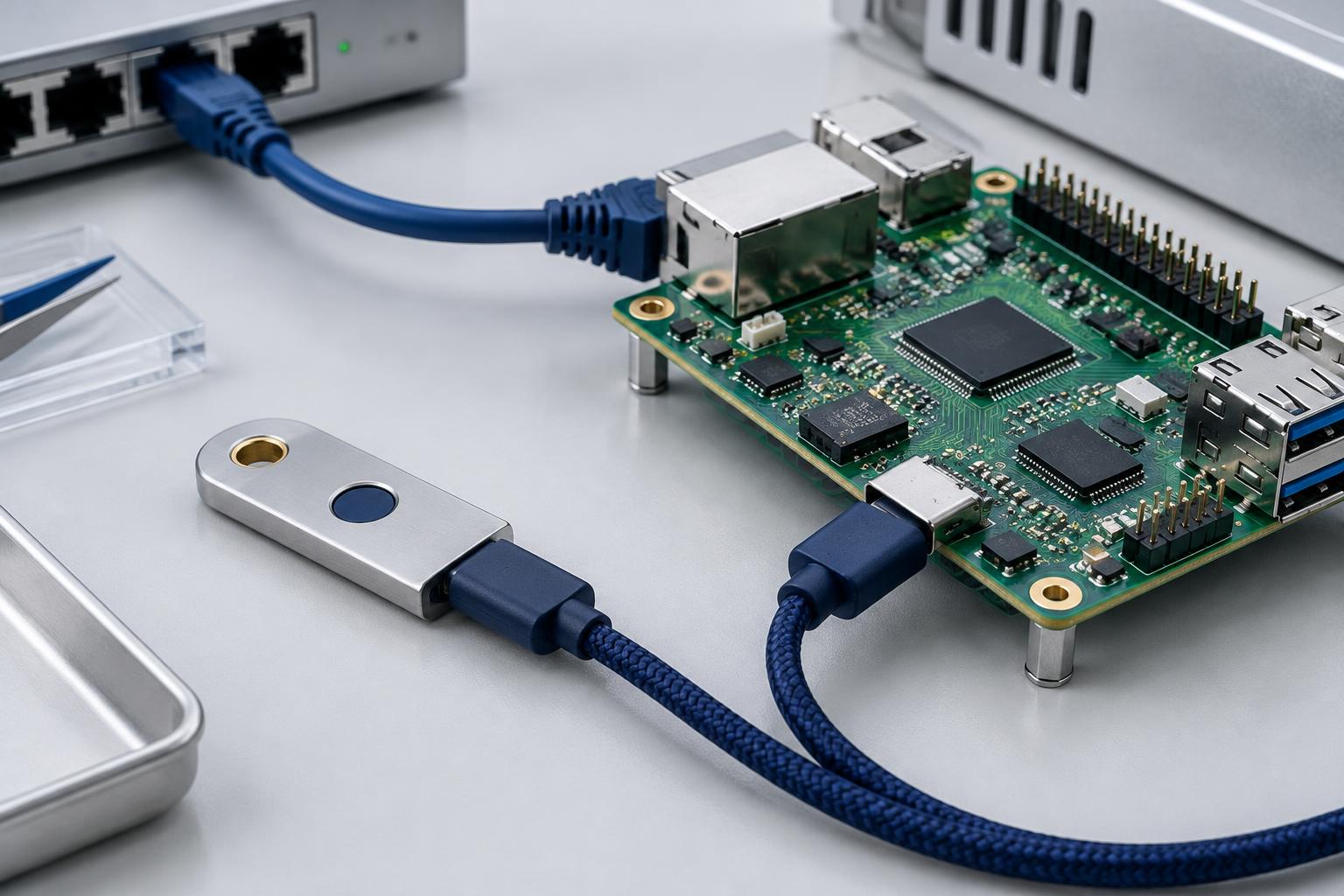
Most crypto losses at small companies are not sophisticated hacks. They are a seed phrase in a notes app, a signer who clicked a convincing phishing link, or a departing employee who still had access. The fix is not exotic technology. It is a multisig and some discipline.
Why a single key is unacceptable
A single-signature wallet means one secret controls everything. Whoever holds that secret — or steals it, or loses it — decides the fate of the funds. For personal savings that is a personal risk. For company funds it is a governance failure.
How a multisig changes the risk
A multisig wallet is a smart contract that requires M of N approvals to move funds. A common setup for small teams is 2-of-3 or 3-of-5.
| Setup | Survives a lost key? | Survives one compromised key? | |---|---|---| | Single key | No | No | | 2-of-3 | Yes (one) | Yes (one) | | 3-of-5 | Yes (two) | Yes (two) |
The threshold balances security against availability. Higher thresholds are safer but slower — if three signers must approve and two are on holiday, nothing moves.
Signer setup rules
- Every signer uses a hardware wallet. No browser-extension hot keys for treasury signers.
- Signers are different people in different locations. Three keys owned by one person is a single key with extra steps.
- Each signer's seed backup is stored offline, physically secured, and never photographed or typed into a computer.
- One signer may be a recovery key held by a trusted outside party or in a safe deposit box, used only for emergencies.
Verify what you sign
The biggest modern threat is not key theft. It is tricking a legitimate signer into approving a malicious transaction. Attackers compromise a website or front end, and the signer approves what looks like a routine action but is actually a change of ownership or a transfer to the attacker.
Defences:
1. Read the transaction on the hardware device screen, not just in the browser. 2. Decode the call independently before signing large transactions — use a second tool or a separate machine. 3. Have a second signer verify the destination address through a separate channel. 4. Be suspicious of urgency. Legitimate treasury operations are almost never emergencies.
Separate hot and cold funds
Keep a small operational wallet for day-to-day payments with a low balance and a lower threshold. Keep the treasury in a high-threshold multisig that is touched rarely. Top up the operational wallet on a schedule. If the hot wallet is compromised, the loss is capped.
Written procedures
Write down, in a document the whole signing group can access:
- Who the signers are and how to contact them
- What approvals are required for which amounts
- How a new payment destination is verified (always out-of-band)
- What to do if a signer loses a device or leaves the company
- How to rotate a signer — adding the new one before removing the old
When someone leaves, rotate their signer key the same week. A former employee holding a valid key is a risk even if they are entirely trustworthy, because their devices are no longer under your security policies.
Practice recovery
Once a year, simulate losing a signer. Walk through restoring from backup or rotating the key using the written procedure. Teams that have never practiced recovery discover missing steps at the worst possible time.
Monitoring
Set up alerts on treasury addresses for any outgoing transaction or pending proposal. A proposed transaction nobody recognises is your earliest warning that a signer has been compromised — and with a multisig, you still have time to refuse to sign it.
None of this is complicated. It is just consistent. Most companies that lose funds had the tools to prevent it and skipped the discipline.
Paj Digital Labs
The engineering journal of Paj Digital Solutions — hosting, server infrastructure and web engineering, written by the people who run the servers.
Related reading
Solana Transaction Operations: Blockhash Expiry, Commitments and Retries
A timed-out submission may still have landed. Track signatures, validity windows and commitment levels before rebuilding a transaction and risking a duplicate business action.
Blockchain Dependency Incidents: Circuit Breakers for RPC and Indexer Failures
A stale indexer and an unavailable RPC need different responses. Monitor data freshness, stop unsafe writes and preserve transaction tracking when chain infrastructure degrades.
ERC-4337 Account Abstraction: Bundlers, Paymasters and the Product Boundary
Smart accounts can improve recovery and transaction UX, but their dependencies need explicit limits. Understand user operations, sponsorship and deployed versions before treating gasless as free.